

 Care - Making Lives Better
 Respect - We Value Differences
 Commitment - Dedicated To Success
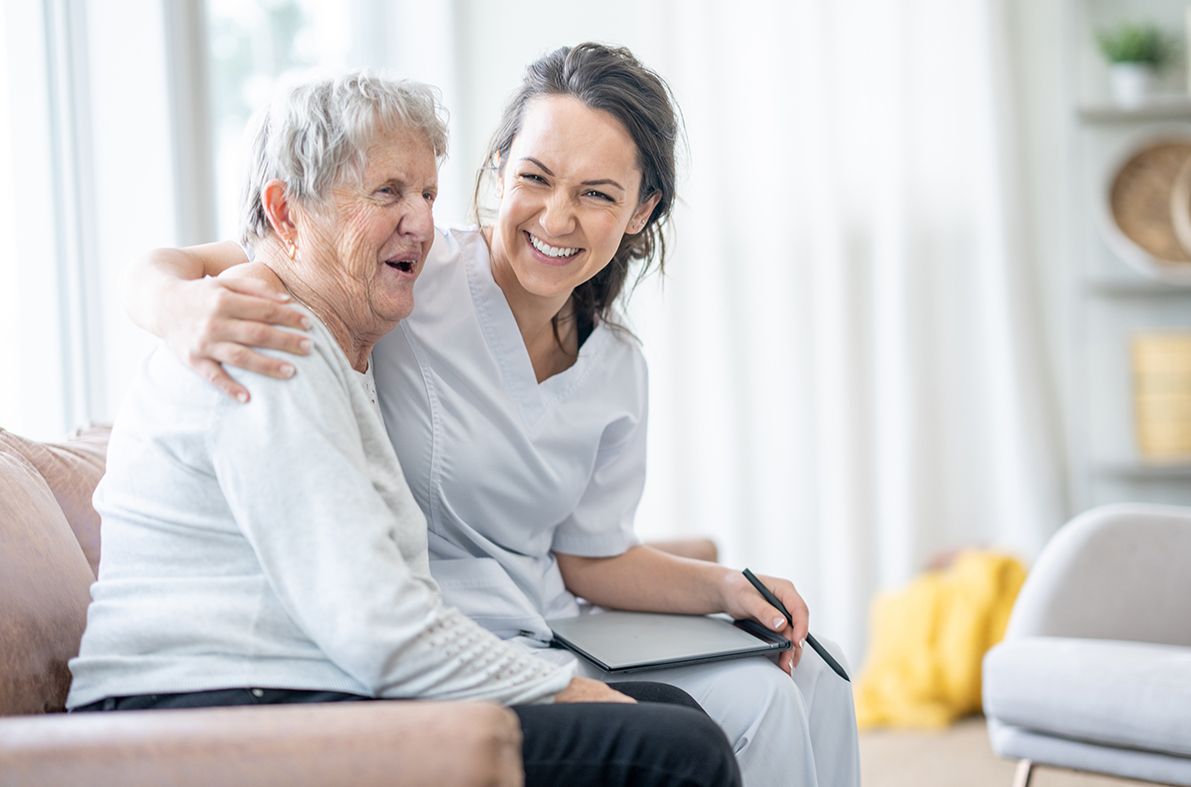
Creating a safe, comfortable home environment for someone living with dementia is one of the most important steps you can take as a family member or caregiver. When combined with professional dementia care support, thoughtful home adaptations can dramatically improve quality of life, reduce anxiety, and help your loved one maintain their independence for longer. At Platinum Care Group, we understand the unique challenges families face across Hampshire and the South Coast, and we’re here to guide you through creating a truly dementia-friendly home.
The environment plays a crucial role in how someone with dementia experiences daily life. Small changes to lighting, colour contrast, and layout can make a significant difference to safety and wellbeing. When paired with our specialist dementia care services, these modifications create a supportive space where your loved one can feel secure and comfortable.
Understanding Dementia-Friendly Home Design
A dementia-friendly home is designed to support the changing needs of someone living with Alzheimer’s disease or other dementia-related conditions. The goal is to create an environment that compensates for cognitive changes whilst promoting independence and reducing confusion or distress. According to the NHS guidance on dementia home environments, good lighting, clear visual cues, and thoughtful design can help avoid confusion and reduce the risk of falls.
As professional care providers, we work closely with families to identify potential hazards and implement practical solutions. Our experienced dementia carers understand how environmental factors affect behaviour and can suggest modifications tailored to your loved one’s specific needs.
The key principles of dementia home safety include reducing clutter, improving lighting, creating clear visual contrast, minimising patterns that can cause confusion, and establishing consistent routines. These principles form the foundation of a safe home environment when combined with professional dementia care support.
Room-by-Room Safety Guide for Dementia Care at Home
Creating a safe home environment requires a systematic approach. Let’s walk through each area of your home and explore practical modifications that support dementia patients whilst complementing our professional home care services.
Entrance and Hallways: First Impressions Matter
The entrance sets the tone for the entire home. Ensure adequate lighting is installed, particularly motion-sensor lights that activate automatically when someone approaches. This prevents fumbling for switches in the dark, which can increase fall risk.
Clear hallways of clutter, loose rugs, and any obstacles that might cause trips. Consider installing handrails along both sides of corridors, providing support for those with mobility concerns. The Alzheimer’s Society recommends using contrasting colours for doors and door frames to help people with dementia identify entrances and exits more easily.
Our visiting care teams always assess entrance safety during their initial visits, ensuring your loved one can move safely throughout their home.
Living Room: Creating Comfortable, Safe Spaces
The living room is often where people with dementia spend much of their time, so comfort and safety are paramount. Choose furniture with strong colour contrast against the flooring so it’s easily visible. Avoid busy patterns on upholstery or carpets, as these can cause visual confusion and distress.
Ensure seating is at an appropriate height with sturdy armrests to support standing and sitting. Remove trailing electrical cables and secure them safely along walls. Position furniture to create clear walkways and avoid creating obstacles.
Lighting should be bright and even throughout the room, avoiding harsh shadows that might be misinterpreted. Natural daylight is beneficial, but consider sheer curtains to reduce glare. Keep the television at a moderate volume, as excessive noise can increase agitation in some people living with dementia.
Kitchen Safety for Dementia Patients
The kitchen presents particular challenges for dementia home safety. Consider installing automatic shut-off devices on cookers and kettles to prevent accidents if appliances are left on. Store sharp knives, cleaning products, and other hazardous items in locked cupboards or remove them entirely from the space.
Label cupboards with clear pictures or words to help your loved one find what they need. Use contrasting colours for plates and bowls against worktops and tables, making them easier to see. The Dementia UK guidance suggests removing unnecessary clutter from worktops to reduce confusion and create a calmer environment.
Our professional dementia care support includes assistance with meal preparation and kitchen activities, ensuring your loved one can participate safely in daily routines. Whether you choose live-in care or regular visiting support, our carers work within your adapted environment to maintain safety.
Bathroom Adaptations for Memory Care Services
Bathrooms can be particularly hazardous for people with dementia. Install grab bars near the toilet, bath, and shower to provide stability. Use non-slip mats both inside and outside the bath or shower area. Consider a raised toilet seat to make sitting and standing easier.
Ensure bathroom lighting is bright and even. Motion-sensor lights are particularly useful for night-time visits. Remove or conceal mirrors if they cause confusion or distress, as some people with dementia may not recognise their own reflection.
Keep bathroom doors clearly marked, perhaps with contrasting colours or clear signage. Use colour contrast between the toilet seat and the floor, and between the bath and the surrounding area. This helps people with dementia identify fixtures more easily.
Consider using taps with clear hot and cold indicators, or installing thermostatic controls to prevent scalding. Our overnight care teams are experienced in supporting safe bathroom routines during night-time hours when risks can be heightened.
Bedroom Safety and Comfort
The bedroom should be a calm, restful space with minimal distractions. Ensure adequate lighting with easy-to-reach switches or motion sensors. Keep a clear path from the bed to the bathroom for safe night-time navigation.
Consider low-level nightlights that provide gentle illumination without disturbing sleep. Choose bedding in simple, solid colours rather than busy patterns. Keep the room at a comfortable temperature and well-ventilated.
Store medications safely out of reach but ensure emergency contact numbers are visible. A bedside clock with clear, large numbers can help with orientation. Our specialist dementia care teams understand the importance of maintaining familiar routines around bedtime and can work with your environmental adaptations.
Stairs and Landing Safety
If your home has stairs, ensure they are well-lit with switches at both top and bottom. Install secure handrails on both sides and consider marking the edge of each step with contrasting tape to improve visibility. Stair gates might be necessary if there are concerns about wandering or falls.
Remove loose carpets or rugs from landing areas. Ensure pathways are always clear and well-defined. For some families, moving a loved one’s bedroom to the ground floor might be the safest option, eliminating the need to navigate stairs regularly.
Lighting and Visual Environment in Dementia Home Care
Lighting deserves special attention when creating a safe home environment for dementia patients with professional care. Research published in NCBI journals on dementia-friendly design demonstrates that appropriate lighting significantly impacts behaviour and wellbeing in people with dementia.
Maximise natural daylight where possible, as it helps maintain circadian rhythms and improves mood. However, use blinds or curtains to control glare and harsh sunlight. Install bright, even artificial lighting throughout the home, avoiding areas of shadow that might cause confusion.
Consider installing lighting that gradually increases in brightness in the morning and dims in the evening, supporting natural sleep patterns. Night lights in hallways and bathrooms provide safety without being disruptive.
Avoid fluorescent lighting if possible, as the flicker can cause distress in some people with dementia. Choose warm, steady light sources that create a calm atmosphere. Our care professionals can help you assess lighting needs during our initial home care services assessment.
Reducing Wandering Risk with Professional Care
Wandering is a common concern for families caring for someone with dementia. Environmental modifications combined with professional dementia care support can significantly reduce risks whilst respecting dignity and independence.
Consider installing discreet door sensors or alarms that alert carers when exterior doors are opened. Camouflage exits by painting doors the same colour as surrounding walls or placing a curtain over them. Create an engaging, safe outdoor space where wandering can occur safely under supervision.
Ensure gates and boundaries are secure but not prison-like. Our care teams can provide consistent supervision and engagement to reduce restless behaviours that might lead to wandering. With respite care options, family caregivers can also take necessary breaks whilst knowing their loved one is safe.
Assistive Technology for Home Safety
Modern technology offers valuable support for creating safe home environments. Motion sensors can alert carers to unusual activity patterns, whilst smart monitoring systems provide peace of mind without being intrusive. Automatic lighting systems respond to movement, preventing falls in dark spaces.
Medication dispensers with alarms ensure medicines are taken at the correct times. GPS tracking devices offer additional security for those at risk of wandering. However, technology should complement, not replace, human care and connection.
Our approach at Platinum Care Group prioritises the personal touch. Whilst we embrace helpful technology, we believe nothing replaces the compassion and expertise of professionally trained dementia carers who know your loved one personally.
How Professional Dementia Care Enhances Home Safety
Creating physical modifications is only part of the solution. Professional dementia care services bring trained expertise that transforms a safe environment into a thriving one.
Our carers are trained to spot potential hazards and adapt their approach to your loved one’s changing needs. They provide consistent routines that reduce anxiety and confusion, work within your adapted environment to maximise safety, and offer companionship that improves quality of life and reduces behaviours of concern.
With our network across Hampshire and the South Coast, we provide local, personalised support that understands your community. Our teams become trusted companions who help your loved one navigate their adapted home with confidence.
Whether you need a few hours of visiting care each week or comprehensive live-in care, we tailor our services to complement your home environment and family circumstances.
Supporting Care Partners and Family Caregivers
Creating and maintaining a dementia-friendly home can feel overwhelming for family members. Remember that you don’t have to do this alone. Professional support from Platinum Care Group allows you to focus on meaningful time with your loved one whilst we handle daily care tasks and safety monitoring.
The Age UK resources on home adaptations provide additional guidance on funding and implementing home modifications. Many local authorities offer grants for essential adaptations, and occupational therapy assessments can identify specific needs.
Our respite care services give family caregivers essential breaks, preventing burnout whilst ensuring continuity of care. We also offer domestic help to maintain a clean, organised environment that supports dementia safety.
Ongoing Assessment and Adaptation
Dementia is a progressive condition, meaning home safety needs will change over time. Regular assessments ensure your environment continues to meet your loved one’s needs. Our care teams conduct ongoing observations and work with you to implement new modifications as required.
Every person’s journey with dementia is unique. What works today might need adjustment tomorrow. This is where the combination of thoughtful home design and professional care proves invaluable. Our flexible care services can increase or decrease as needs change, always prioritising safety and quality of life.
We encourage families to conduct regular room-by-room reviews, checking for new hazards, testing assistive devices and alarms, assessing lighting and visibility, reviewing medication storage, and ensuring emergency contacts are current. Our care teams participate in these reviews, offering professional insights based on their daily interactions with your loved one.
Creating Your Safe, Supportive Home Environment
The journey of caring for someone with dementia is deeply personal, and every home environment should reflect the individual’s preferences, history, and needs. At Platinum Care Group, we’ve supported countless families across Hampshire and the South Coast in creating spaces where their loved ones can live safely and comfortably with dementia.
Our values-led approach means we treat every client with the utmost respect and dignity. We recognise that home is more than just a safe space; it’s where memories live, where identity is rooted, and where quality of life flourishes when properly supported.
By combining thoughtful environmental modifications with our professional dementia care support, you create the optimal conditions for your loved one to thrive. Simple changes to lighting, colour contrast, and layout, paired with the expertise of trained carers, transform safety from a concern into a foundation for living well with dementia.
Get Started with Professional Dementia Home Care
If you’re ready to create a safer home environment for your loved one with dementia, we’re here to help. Our team can visit your home to assess needs, suggest practical modifications, and discuss how our care services can provide the support you need.
From our offices across Hampshire, we serve families throughout the South Coast with compassionate, professional dementia care. Our carers are not just trained professionals; they become trusted companions who genuinely care about your loved one’s wellbeing.
We invite you to contact us to discuss your specific needs and learn how we can support you. Our friendly team is ready to answer your questions and arrange a no-obligation consultation. Together, we can create a home environment where your loved one feels safe, comfortable, and supported every day.
Creating a dementia-friendly home is an ongoing journey, but you don’t have to walk it alone. With Platinum Care Group by your side, you have a dedicated partner committed to excellence in dementia care at home. Reach out today to discover how we can help your family.


